
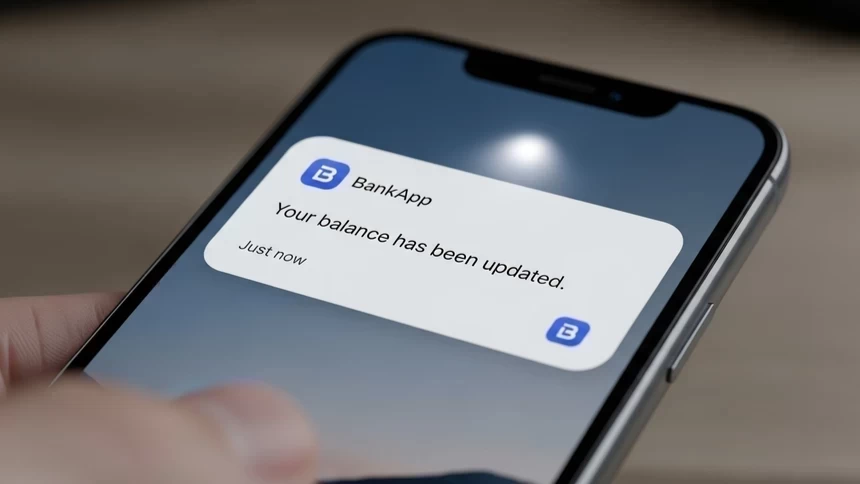
Managing money can feel overwhelming. We’ve all been there—checking our bank account and realizing we spent more than we thought, feeling guilty, anxious, or even paralyzed by the numbers. But what if tracking your spending didn’t have to feel like a chore or a source of stress? What if it could feel calm, simple, and even empowering?
The secret isn’t just discipline—it’s the right tools combined with awareness and intentional habits. In today’s digital world, a growing number of apps make it easier than ever to track spending, understand patterns, and take control of your financial life—all without obsessing over every penny. In this guide, we’ll explore how apps can transform your relationship with money, what to look for in a spending tracker, and strategies to use them without anxiety or guilt.
Why Tracking Spending Doesn’t Have to Be Stressful
Many people assume tracking spending is inherently stressful because it’s associated with discipline, restriction, and judgment. “I shouldn’t have spent that,” or “I’m bad with money,” are common thoughts. But these feelings come from the mindset, not the act of tracking itself.
When approached with awareness and curiosity, tracking becomes a tool, not a punishment. You aren’t policing yourself—you’re learning. You’re observing patterns, understanding your choices, and making informed decisions.
Here’s the mindset shift: tracking is about clarity, not control. The goal isn’t perfection; it’s awareness. With this approach, apps aren’t intimidating—they’re allies. They help you see where your money goes, identify small leaks, and celebrate wins.
How Apps Simplify Financial Awareness
Apps take away the friction that makes tracking finances so exhausting:
Automatic Tracking: Many apps link directly to your bank account, credit cards, or digital wallets, logging expenses automatically. This means you don’t have to manually input every coffee, grocery trip, or subscription.
Categorization Made Simple: Apps categorize spending for you, showing how much goes to food, transportation, bills, or leisure. These categories help you understand your habits without creating mental overload.
Visual Insights: Charts, graphs, and trends help you see patterns at a glance. Instead of scrolling through lists of transactions, you get a visual story of your spending.
Reminders and Alerts: Gentle nudges can alert you when you’re approaching budget limits, have a bill due, or are overspending in a category. These prompts are helpful when used mindfully—they should guide, not guilt you.
Goal-Setting Features: Many apps allow you to set savings goals or spending limits for specific categories. Tracking progress toward goals is motivating and provides a sense of control without restriction.
By using these features, apps let you focus on conscious decisions instead of reacting to money stress.
Choosing the Right Spending Tracker App
Not all apps are created equal. When selecting one, consider:
Ease of Use: A simple interface that doesn’t require hours of learning ensures the app supports your life rather than complicates it.
Automation vs Manual Control: Some apps automate tracking entirely, while others encourage manual entry. Choose based on what reduces stress for you—automation for convenience, manual for reflection.
Security: Your financial data is sensitive. Look for apps with robust encryption and privacy policies.
Customization: Can you set your own categories, budgets, or alerts? Personalization makes tracking relevant to your life.
Integration: Consider whether it integrates with other tools you use, like banking apps, payment services, or investment platforms.
Top App Features That Reduce Stress
Here’s a deeper dive into the features that make tracking effortless:
Smart Categorization: AI-powered categorization automatically labels transactions, often learning your habits over time. You can always adjust categories manually to match your understanding.
Daily or Weekly Summaries: Instead of overwhelming daily notifications, weekly summaries provide insight at a comfortable pace.
Goal-Based Tracking: Linking spending to goals helps you see every transaction as part of a bigger picture, reducing impulsive guilt.
Visualization of Trends: Seeing recurring spending patterns or seasonal fluctuations helps normalize financial behavior and prevent panic during high-expense periods.
Non-Judgmental Feedback: The app should present data neutrally, without shaming language. Words like “overspent” can trigger guilt—look for apps that phrase insights positively, like “you’re $20 over your usual spending—here’s a tip to adjust.”
How to Use Apps Without Obsessing
Even the best app can become a source of anxiety if misused. Here’s how to track without stress:
Set Intentions, Not Rules: Decide why you’re tracking: awareness, goals, or clarity. Avoid “perfect” budgeting; focus on conscious decisions.
Check Daily or Weekly: Overchecking can increase stress. Pick a frequency that informs you without triggering worry.
Reflect, Don’t Judge: Use insights to reflect on choices. Ask yourself: “Does this align with my values?” instead of “I messed up.”
Celebrate Wins: Recognize patterns of positive behavior—like reduced impulse spending or consistent saving—as progress.
Adjust Categories as Life Changes: Don’t stick to rigid structures. Categories should evolve with lifestyle shifts, income changes, or priorities.
Real-Life Examples
Example 1: Sarah, a Busy Freelancer
Sarah used to panic at month-end, unsure where her money went. After linking her bank to a spending app, she discovered small recurring subscriptions she had forgotten about. By consolidating these and creating category limits, she freed up $150 a month without sacrificing comfort.
Example 2: Mark, Young Professional
Mark loved coffee and takeaway lunches, unaware of how much it added up. The app showed him monthly spending on food was $350. By using automated alerts and visualizing his progress toward a savings goal, he reduced unnecessary purchases without feeling deprived.
Example 3: Jasmine, Parent of Two
Jasmine tracked grocery and school expenses with an app that synced with her partner’s account. They could see the bigger picture, avoid overlap, and plan for special events. Awareness replaced conflict and reduced financial stress in the household.
Integrating Apps Into Your Financial Routine
Tracking apps work best when integrated into a routine. Here’s a simple approach:
Morning Check-In: Glance at spending alerts and scheduled bills.
Mid-Week Reflection: Review categories that are trending high or low; adjust small behaviors.
Weekend Deep Dive: Look at weekly trends, celebrate wins, and plan for upcoming expenses.
Monthly Audit: Compare spending vs. goals, adjust budgets, and reflect on financial alignment.
Over time, this routine cultivates calm awareness instead of reactive anxiety.
Mindset Shifts That Maximize App Effectiveness
Apps alone aren’t magic—they amplify awareness. Pairing tools with mindset shifts makes a huge difference:
From Control to Clarity: Focus on understanding, not controlling every penny. Knowledge empowers choice.
From Guilt to Curiosity: Treat unexpected spending as data, not failure.
From Stress to Strategy: Use insights to plan, optimize, and experiment with small, sustainable adjustments.
From Reaction to Intention: Observe patterns before making changes, rather than acting impulsively.
Conclusion: Tracking as Empowerment
Spending apps are more than digital ledgers—they’re tools for self-awareness and empowerment. When used mindfully, they transform financial tracking from a stressful chore into a source of clarity, confidence, and calm. You don’t have to obsess over every transaction. Instead, you can observe, reflect, and adjust in a way that feels natural, aligned with your lifestyle, and sustainable over time.
By choosing the right app, integrating it into your routine, and adopting a mindset of awareness rather than judgment, you can track spending without stress, save strategically, and feel in control of your financial life—every day.
FAQ
Q1: Are spending tracker apps safe to use?
A1: Yes, most reputable apps use bank-level encryption and strong privacy protocols. Always check the app’s security and privacy policies before connecting your accounts.
Q2: Can I track spending without linking my bank account?
A2: Absolutely! Many apps allow manual entry of transactions, giving full control without sharing sensitive banking information.
Q3: How often should I check my spending tracker app?
A3: Daily or weekly check-ins work best. Frequent review helps awareness, but avoid overchecking to reduce stress.
Q4: Do these apps work for irregular incomes?
A4: Yes! Apps can track both predictable and variable income, helping freelancers, gig workers, or part-time earners maintain clarity and plan spending.
Q5: Will using an app make me feel guilty about spending?
A5: Not if you adopt the right mindset. Treat the app as a tool for awareness, reflection, and intentional decision-making—not as a judgment of your choices.
Want to transform the way you handle money beyond transportation?
Start building clarity, awareness, and sustainable habits today. Explore these essential articles from Money:
· Financial Awareness: Understanding Money Without Fear or Confusion — Learn how to reduce financial anxiety and make intentional decisions regardless of income.
· Why Money Guilt Is More Common Than You Think — Discover why money guilt is so silent and how to turn it into clarity and action.
· How Small Financial Habits Create Long-Term Stability — Understand how consistent small changes lead to lasting financial security.
· Simple Monthly Money System Anyone Can Follow — A step-by-step method to organize your finances without stress or guilt.
· How Money Affects Your Mental Health — Explore the connection between finances and emotional well-being, and how clarity restores balance.
Keep Learning. Build awareness. Save smartly. Live freely.