
Life has a way of throwing curveballs when we least expect it. A sudden car repair, an unplanned medical bill, or even a delayed paycheck can turn a normal month into a financial headache. And while most of us know we should have an emergency fund, the idea often feels intimidating. How much is enough? Where should I keep it? How do I start without feeling overwhelmed?
Here’s the truth: an emergency fund doesn’t need to be complicated, time-consuming, or stressful. It doesn’t have to involve multiple accounts, complex spreadsheets, or sacrificing every small pleasure in your life. With a simple, one-sheet approach, you can create a clear, practical plan that ensures you’re prepared for life’s unexpected moments—without anxiety, guilt, or confusion.
In this guide, we’ll break down exactly how to simplify your emergency fund, focusing on clarity, action, and peace of mind. We’ll cover the psychology behind having a safety net, how to calculate your needs realistically, and step-by-step instructions to set it up quickly, all while keeping it flexible and stress-free.
Why an Emergency Fund Matters More Than You Think
Before diving into numbers, it’s important to understand why an emergency fund is more than just money in a bank account. It’s a tool for emotional calm, confidence, and control.
Think about this: when an unexpected expense arises, the stress doesn’t come solely from the cost—it comes from uncertainty. “Can I cover this without going into debt?” “What if another bill comes next week?” These thoughts can keep us awake at night and undermine our sense of stability.
An emergency fund is essentially insurance you control. Unlike other financial products, it’s completely in your hands, flexible, and immediately available. It creates mental clarity, reduces stress, and allows you to handle surprises with confidence.
“Peace of mind is the most valuable form of wealth.”
And the best part? You don’t need a massive sum to start. Even a small, intentional amount, consistently saved, begins to create security—and once you see the impact, you’ll feel motivated to grow it further.
Step 1: Define Your Basics
The first step in creating a simplified emergency fund is to define what “basics” truly means for your life. Basics are your essential monthly expenses—the non-negotiable costs that keep your life running smoothly. Typically, this includes:
Housing (rent or mortgage, utilities)
Transportation (fuel, insurance, public transit)
Groceries and essential supplies
Health and medical needs (insurance premiums, medications)
Minimum debt payments
Take a moment to list your monthly essentials. Be realistic—don’t estimate too low, but don’t inflate either. This list will be the foundation of your one-sheet emergency fund plan.
Step 2: Calculate Your Target Fund
Next, determine how many months of essentials you want to cover. While traditional advice often recommends 3–6 months of expenses, the key is to start somewhere manageable. Even one month of coverage creates immediate relief and proof that it works.
One month: Perfect for beginners or those with variable income
Three months: A solid cushion for most emergencies
Six months or more: Ideal for total peace of mind, especially for freelancers, self-employed, or households with irregular income
Remember, the exact number isn’t as important as having a clear, realistic goal and taking actionable steps toward it.
Step 3: Create Your One-Sheet Plan
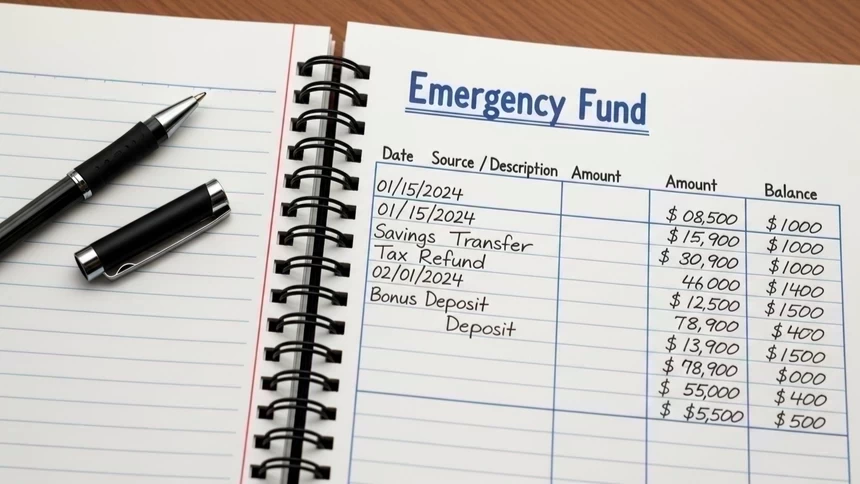
Here’s where simplicity becomes powerful. On a single sheet of paper (or spreadsheet), organize your emergency fund like this:
1. Monthly Essentials – List all your essential expenses and total them.
2. Fund Target – Multiply your total essentials by the number of months you want to cover.
3. Current Savings – List how much you already have saved toward this goal.
4. Monthly Contribution – Decide how much you can realistically add each month.
5. Timeline – Calculate how long it will take to reach your target.
This visual keeps everything in one place. You no longer need multiple accounts, apps, or complicated trackers. Each month, you update your contributions, and the sheet shows your progress instantly.
Tip: Keep the sheet visible—on your desk, fridge, or phone. Seeing progress daily reinforces motivation and control.
Step 4: Build Incrementally
One of the biggest mistakes people make is trying to fund their emergency account all at once. This leads to frustration, guilt, or even giving up. Instead, incremental progress wins.
Start small: $10, $25, or $50 per week.
Increase contributions gradually: When income rises or bills are paid off, redirect funds to your emergency sheet.
Celebrate milestones: Each 25% or 50% achieved deserves recognition.
These micro-achievements create psychological reinforcement. You’ll notice that building your safety net isn’t a chore—it’s a confidence-building habit.
Step 5: Keep It Liquid and Accessible
An emergency fund isn’t a long-term investment—it’s money you can access immediately if life throws a curveball. Consider options like:
High-yield savings account (safe, liquid, and slightly better returns than checking)
Separate checking account solely for emergencies
Digital wallet or app with instant access
Avoid tying the money up in investments with penalties or delays. The point is peace of mind, not profit.
Step 6: Protect Your Fund Psychologically
Having money saved is one thing; not spending it on non-emergencies is another. To protect your fund:
Define what counts as an emergency (unexpected medical bills, urgent home repairs, car breakdowns)
Avoid temptation: Don’t mix this fund with discretionary spending accounts
Automate contributions: Setting up auto-transfers reduces decision fatigue and builds consistency
Psychological discipline is just as important as the money itself.
Step 7: Adjust as Life Changes
Life isn’t static, and neither should your emergency fund be.
If income changes, adjust contributions proportionally
If expenses increase, recalculate your target
If you reach your goal, continue to grow it slightly for inflation or unexpected lifestyle shifts
This keeps your fund realistic, flexible, and truly protective.
Step 8: Use It Wisely
When the moment comes that you need your emergency fund, use it confidently. Pay for the essentials first, and avoid guilt—this money is exactly what it was meant for. Then, rebuild immediately to restore your safety net.
Treat withdrawals as planned: Only for genuine emergencies
Track usage and replenish systematically
Reflect after each use: What triggered the need? Can adjustments prevent recurrence?
This approach reinforces both financial and emotional resilience.
Real-Life Transformations
Consider Sarah, a freelancer juggling irregular income. She started with just $25 a week using a one-sheet emergency plan. Within six months, she had one full month of essentials covered. When her car needed urgent repairs, she paid immediately without stress or debt. That small, consistent effort gave her freedom and confidence.
Or Michael, a young professional who felt anxious every time a bill arrived. By creating a one-sheet plan and visualizing his progress, he reduced financial anxiety dramatically. Seeing incremental growth made saving feel rewarding instead of restrictive.
Conclusion: The Power of One Sheet
An emergency fund doesn’t need to be complex, intimidating, or reserved for the wealthy. Clarity, consistency, and simplicity are all you need.
By defining essentials, calculating realistic targets, tracking progress on one sheet, and building incrementally, you gain:
Financial peace of mind
Control over unexpected events
Reduced anxiety and guilt
A sense of empowerment and confidence
Start today. Grab a sheet, list your basics, and map out your emergency fund. Each small step brings you closer to freedom—a secure foundation that lets you live life without fear of the next surprise.
Remember: your safety net isn’t just money. It’s calm, clarity, and control—exactly what every intentional financial life needs.
FAQ
Q1: What is an emergency fund and why do I need one?
A1: An emergency fund is money set aside to cover unexpected expenses like medical bills, car repairs, or job interruptions. It provides financial security, reduces stress, and helps you avoid debt.
Q2: How much should I save in an emergency fund?
A2: Start with a manageable goal, like one month of essential expenses, then gradually increase to 3–6 months. The exact amount depends on your lifestyle, income, and risk tolerance.
Q3: Where should I keep my emergency fund?
A3: Use a liquid, easily accessible account like a high-yield savings account or separate checking account. Avoid tying it up in investments that could penalize withdrawals.
Q4: Can I start an emergency fund with a small amount?
A4: Absolutely! Even small, consistent contributions, like $10–$25 per week, build up over time. Incremental savings create confidence and consistency.
Q5: How do I prevent spending my emergency fund unnecessarily?
A5: Define what qualifies as a true emergency, keep the fund separate from daily spending accounts, and automate contributions. Only use it for essential, unplanned expenses.
Want to transform the way you handle money beyond transportation?
Start building clarity, awareness, and sustainable habits today. Explore these essential articles from Money:
· Financial Awareness: Understanding Money Without Fear or Confusion — Learn how to reduce financial anxiety and make intentional decisions regardless of income.
· Why Money Guilt Is More Common Than You Think — Discover why money guilt is so silent and how to turn it into clarity and action.
· How Small Financial Habits Create Long-Term Stability — Understand how consistent small changes lead to lasting financial security.
· Simple Monthly Money System Anyone Can Follow — A step-by-step method to organize your finances without stress or guilt.
· How Money Affects Your Mental Health — Explore the connection between finances and emotional well-being, and how clarity restores balance.
Keep Learning. Build awareness. Save smartly. Live freely.